

If you’re feeling self-conscious about the color of your teeth and are considered teeth whitening solutions, you’re not alone. Sources estimate that, every year, U.S. consumers spend anywhere from $1.4 to $11 billion on products and procedures to lighten their smiles and boost their confidence.
With that said, plenty of people hope to save money by trying a cheaper “do-it-yourself” whitening treatments rather than invest in professional services with their dentist. But these might not yield consistent results and can sometimes harm your dental health. Continue reading to learn about 3 popular at-home whitening solutions and their potential risks!
Method #1: Store-Bought Strips or Gels
Many stores and pharmacies carry different brands and types of products, such as strips, gels, and toothpaste, that claim to be able to address stubborn dental stains. However, these options often contain diluted bleaches, and therefore don’t always yield consistent coloration. Not only that, but they can contribute to sensitivity, especially if the harsh chemicals touch your sensitive gum tissues with one-size-fits-all applicators.
Meanwhile, your dentist utilizes ultra-concentrated solutions, such as KöR whitening products, which produce reliable outcomes and are designed to mitigate potential discomfort. Whether you opt for the instant results of an in-office visit or choose a take-home kit with custom-fitted applicator trays, you can safely brighten your grin with professional whitening.
Method #2: Lemon Juice
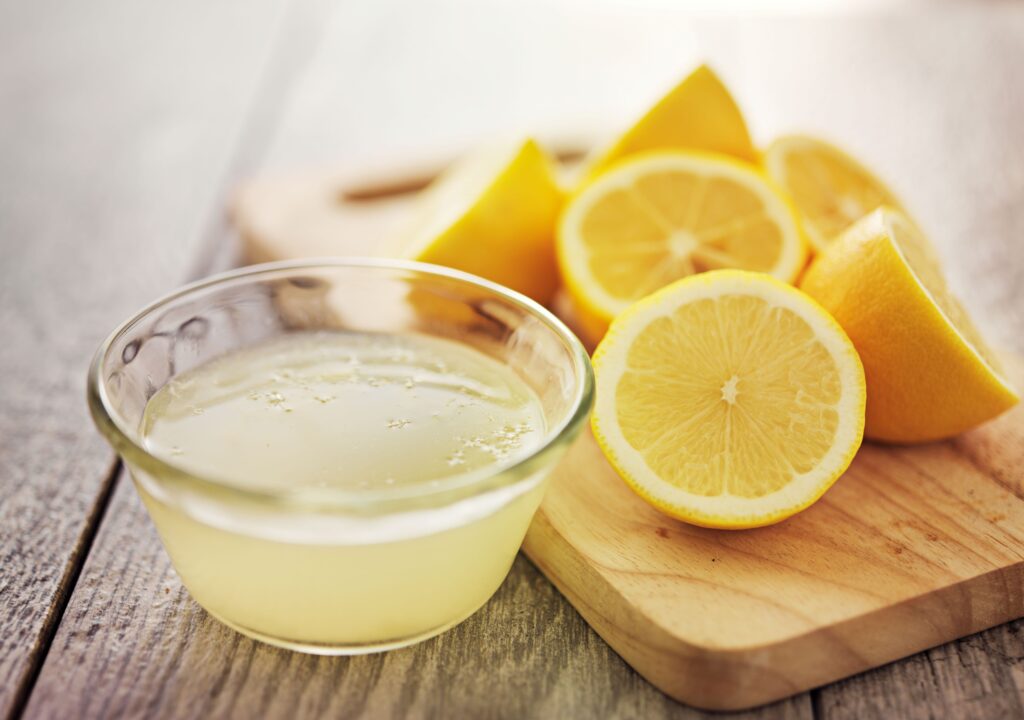
Lemon juice is a common ingredient found in kitchens throughout the county, but did you know that some folks use it to enhance their aesthetics? It contains citric acid, which functions as a natural cleaning and bleaching agent, which is why it’s often included in different household and laundry products.
However, because it’s so acidic, applying lemon juice to your enamel can erode the protective outer layer, which doesn’t regenerate. This increases the likelihood of common oral concerns, such as tooth decay or injured teeth.
Method #3: Activated Charcoal
Activated charcoal is another popular home remedy that many believe can help them achieve their smile goals. This finely ground, black powder is created by heating carbon-rich materials, such as wood, peat, or coconut shells, at high temperatures, which makes the material quite porous. As a result, it’s known to absorb harmful toxins, chemicals, and gases, and is therefore sometimes used by hospitals to address certain drug overdoses or accidental poisonings.
While you might be able to remove some surface stains with activated charcoal powders or pastes, these grainy scrubs can also gouge your enamel, causing grooves that can trap unwanted bacteria or pigmented particles. In time, this could potentially increase discoloration as well as result in decay or disease.
Fortunately, your dentist can help you improve your appearance while preserving your dental health so that your smile is as healthy as it is beautiful after treatment!
About the Practice
At Kringle Dentistry, you and your family benefit from a husband-and-wife dental team passionate about improving your oral health. Drs. Kyle and Kasey Kringle collaborate to offer a comprehensive menu of services, including cosmetics like teeth whitening, to meet your unique needs under one roof. They take the time to get to know your concerns and goals, then use state-of-the-art technology to devise a treatment plan to address them. You can request an appointment on the website or by calling (662) 307-2201.